How to Compare New Football Card Releases
Start by focusing on the checklist, the format, and the market value of any new football card release before you buy. Collectors who take a few minutes to compare these elements often find better value and avoid common mistakes.
New sets arrive every season, and each one offers different hit rates, designs, and long-term potential. Comparing them takes more than looking at the box art. You need to understand what is inside, how the cards hold up over time, and which format suits your collecting style. This guide walks through the practical steps that help you judge a new release against another, so you can decide where to spend your money.
Start with the Checklist
The checklist is the single most important document for any new release. It tells you exactly which players, variants, and inserts are in the product. Without it, you are guessing. Most brands publish a full checklist before or at launch. Look for the base set list, the insert cards, and any autograph or relic cards. Pay attention to how many of each card type exist. A set with a small base set might be easier to complete, but a large insert list can make hitting a specific card much harder.
Checklists also reveal rookie cards. Rookies often drive the early demand for a set. If a new release includes the top rookie class for that season, the sealed boxes and key singles may hold value longer. Compare the rookie lists across different products. One set might have a stronger rookie lineup than another, which can steer your buying decision.
Understand the Format: Sealed Box, Single Card, or Repack
New football card releases arrive in several formats. Each one suits a different kind of collector.
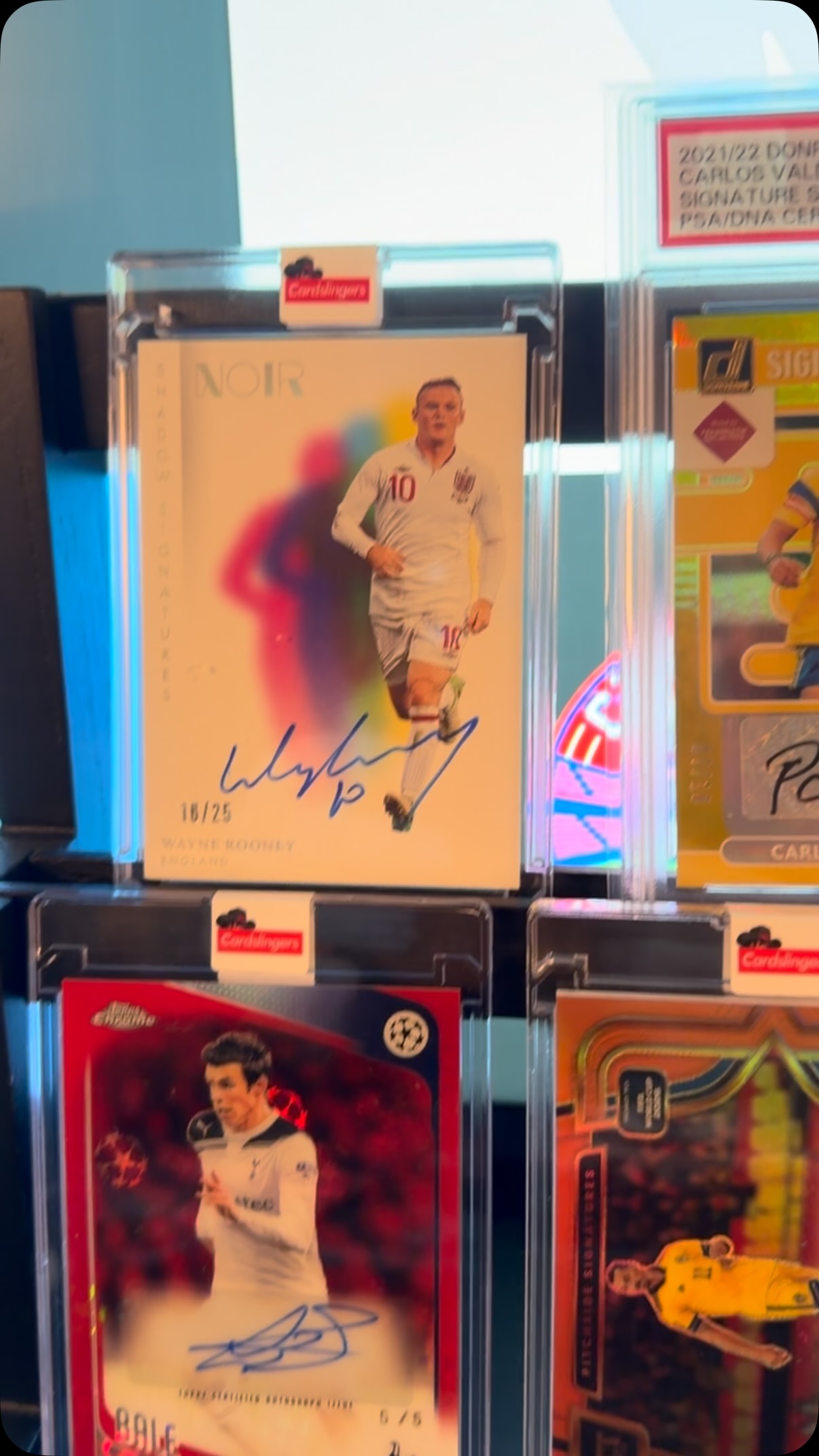
Sealed boxes give you the full experience of opening packs. They usually contain a guaranteed number of hits, such as autographs or relic cards. The downside is cost. Sealed boxes for popular sets can be expensive, and you might not pull a card that covers the box price. The upside is the chance at a major hit, plus the sealed box itself can appreciate over time if the set becomes sought after.
Single cards let you buy exactly what you want. If you only need a specific rookie or insert, buying the single card is almost always cheaper than opening packs. The trade-off is that you miss the thrill of the rip, and singles from new releases can be volatile in price during the first few weeks after launch.
Repacks are curated packs assembled by a seller. They can contain a mix of sealed product and singles. Some collectors like repacks because they offer variety and a lower price point than a sealed box. The risk is that you do not always know the exact contents. Reputable sellers list the possible hits and the guaranteed card types. Always check the seller's reputation and the condition of the cards they include. A site like craigcamcards.com specialises in curated repacks and live Whatnot breaks, which gives collectors a transparent way to see what they are getting before they buy.
Compare Market Value and Recent Sales
Market value is what people actually pay for a card, not the retail price on the box. Use sold listings from online marketplaces to see what key cards from a new release are going for. Compare those numbers to the cost of a sealed box. If the top cards in a set sell for less than the box price, it might be better to buy singles. If the top cards are strong, a sealed box could be worth the gamble.
Also look at the secondary market for the previous year's release of the same product line. If last year's set has held value or increased, the new version might follow a similar pattern. This is not guaranteed, but it gives you a clue about how the market views that brand.
Check Card Condition and Quality Control
Condition matters for both collecting and reselling. New releases can have quality control issues. Some sets have centering problems, print lines, or surface damage straight out of the pack. When comparing releases, read early feedback from collectors. Forums and social media groups often post pictures of damaged cards or production errors. A set with frequent quality issues may be harder to sell later, even if the design is attractive.
If you plan to grade cards, condition is even more important. A card with a print defect or off-centre cut will not grade well. Stick with sets that have a reputation for consistent quality. For singles, always inspect photos carefully. Sellers should describe any flaws honestly, but it helps to know what to look for.
Factor in Shipping Costs
Shipping cost can eat into your budget, especially for international buyers. When comparing new releases, include the shipping cost in your total. A single card from overseas might cost as much to ship as the card itself. Sealed boxes are heavy and often require tracked shipping, which adds up. Look for sellers who offer combined shipping or flat rates. Some collectors prefer to buy from local shops or platforms that have lower shipping fees. If you are buying from a UK-focused site, domestic shipping is usually more affordable, and you avoid customs charges.
Watch Out for Resealed Packaging
Resealed packaging is a real risk, especially for high-demand new releases. Unscrupulous sellers open a box, remove the valuable cards, and reseal it to sell as new. The packaging looks normal, but the contents are worthless. To avoid this, buy from trusted sources. Established retailers and known sellers on marketplace platforms have policies against resealed product. Read seller reviews and look for signs of tampering: loose shrink wrap, uneven glue on the box, or packs that feel thicker or thinner than usual. If a deal seems too good to be true, it probably is. Stick with sellers who have a track record and offer returns or guarantees.
When you buy a repack, the resealing issue is different because the seller opens the product to create the repack. That is why you need to trust the seller's curation. A reputable seller will show the contents or list them clearly. The transparency of the process matters. Many collectors appreciate live breaks and repacks because they can see the cards being pulled in real time. That visibility reduces the chance of hidden problems.
Use a Football Card Buying Guide for Your Decision
A good football card buying guide helps you weigh all these factors. It is not just about which set has the best design. It is about matching the product to your goals. If you collect for fun, a repack or a cheaper sealed box might be perfect. If you collect for investment, focus on sets with strong rookie checklists and a history of holding value. If you are after a specific player, buy the single card and skip the box altogether.
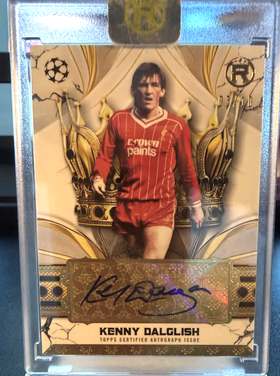
Online communities and dedicated card sites offer guides that compare new releases side by side. They break down the checklist, hit rates, and market trends. Following these guides saves time and helps you avoid impulse buys. Sites like craigcamcards.com provide practical collecting advice and live showcases, so you can see the cards before you decide. The combination of guidance and live demonstrations gives you a clearer picture of what each release offers.
Comparing new football card releases comes down to research. Look at the checklist, understand the format, check recent sales, and consider condition and shipping. Avoid resealed product by buying from trusted sellers. Use the guides and community knowledge to make informed choices. With these steps, you can buy with more confidence and less regret.